Agricultural mulch film is an effective solution for modern farming, helping farmers manage soil moisture, control weed growth, and maintain suitable soil conditions. However, proper installation is essential to achieve the desired results. Following the correct procedure can improve field management and support healthy crop growth.
Step 1: Prepare the Soil
Begin by removing weeds, stones, and crop residues from the field. Plough and level the soil properly to create a smooth surface. Add organic manure and recommended fertilizers according to the crop's requirements. Good soil preparation provides a suitable foundation for mulch film installation.
Step 2: Create Raised Beds
Prepare uniform raised beds according to the crop type and irrigation requirements. Ensure that the beds have appropriate width and height. If drip irrigation is planned, install the drip lines before laying the mulch film to ensure efficient water delivery to plant roots.
Step 3: Select the Right Mulch Film
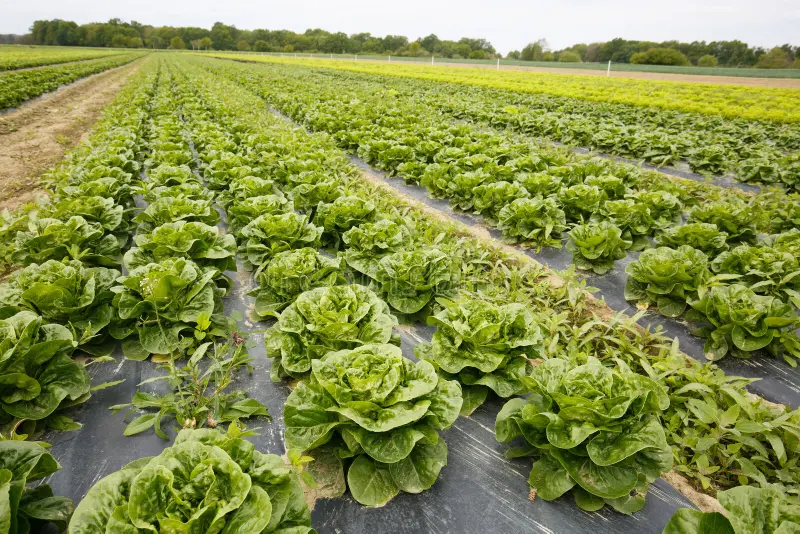
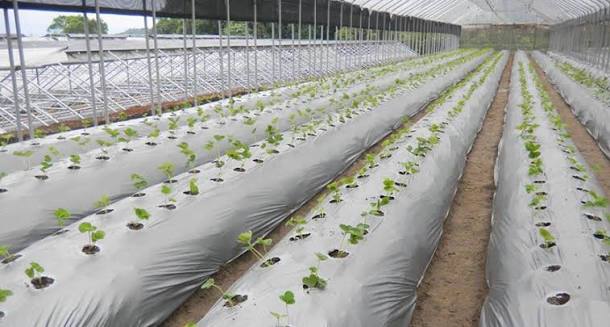
Choose agricultural mulch film based on crop requirements, weather conditions, and field practices. Consider the film's thickness, width, colour, and durability. Black mulch film is commonly used for weed suppression, while silver-black mulch film may be suitable for specific crop and pest-management needs.White-black mulch film is a dual-colored agricultural plastic sheet with a white upper side and a black lower side, engineered to regulate soil temperature, block weeds, and conserve moisture.
Step 4: Lay the Mulch Film
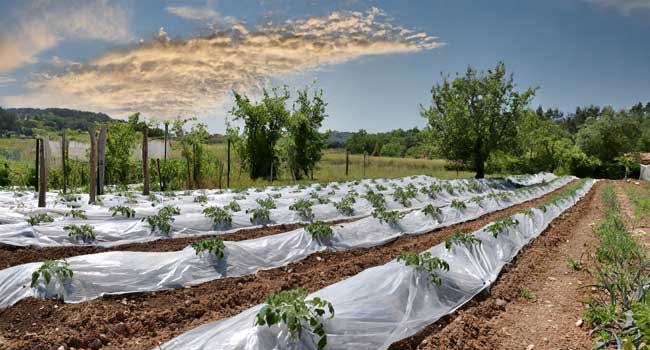
Carefully spread the film over the prepared beds. Keep it aligned and sufficiently tight without overstretching. Cover the edges with soil to secure the film against wind. Proper placement helps minimise gaps and ensures better contact with the soil surface.
Step 5: Make Planting Holes
Create planting holes at the recommended spacing for the selected crop. Use a suitable tool to make clean holes without causing unnecessary damage to the film. Correct spacing supports healthy plant development and allows adequate sunlight and air circulation.
Step 6: Maintain the Field
After planting, regularly inspect the film for tears, loose edges, and water accumulation. Check the irrigation system and provide nutrients according to crop requirements.
Proper installation of agricultural mulch film helps farmers manage their fields more efficiently. By preparing the soil, selecting suitable film, and following correct installation practices, farmers can support healthy crop growth and improve overall farming management.
Gallant Green Technologies Pvt. Ltd. promotes modern agricultural solutions for efficient and productive farming.