Water pressure management is an essential part of plumbing design in high-rise buildings. As the height of a building increases, supplying water at suitable pressure to every floor becomes more challenging. An effective plumbing system must maintain reliable water distribution while preventing excessive pressure, leakage, and unnecessary maintenance costs.
1. Understand the Impact of Building Height
Water pressure naturally decreases as water moves upward through a building. In a static water column, pressure decreases by approximately 0.1 bar for every metre of elevation. Therefore, upper floors may require additional pumping support to maintain adequate water supply, while lower floors may experience excessive pressure if the system is not properly designed.
2. Use Pressure Zoning
Pressure zoning divides a high-rise building into different vertical sections. Each zone operates within a suitable pressure range, helping ensure that water reaches all floors efficiently. This approach also helps prevent excessive pressure on pipes, fittings, and plumbing fixtures on lower floors.3. Install Suitable Booster Pumps
Booster pumps help maintain the required water pressure when the incoming municipal supply or gravity-fed system cannot meet demand. Pump capacity should be selected according to building height, occupancy, peak water demand, and system design. Proper pump controls can also help reduce energy consumption and maintain stable pressure.
4. Consider Pressure-Reducing Valves
Pressure-reducing valves help control excessive downstream pressure in designated sections of a plumbing network. Correct selection, installation, and maintenance of these valves can protect plumbing components and reduce the risk of pressure-related failures.
5. Select Appropriate Pipes and Fittings
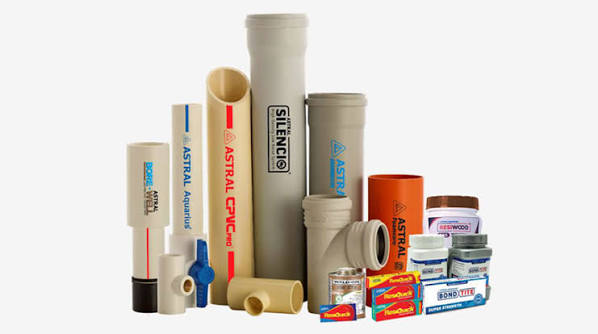
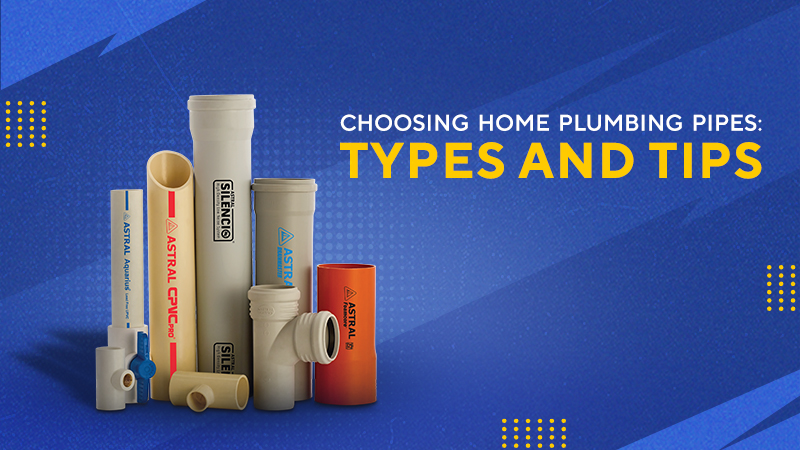
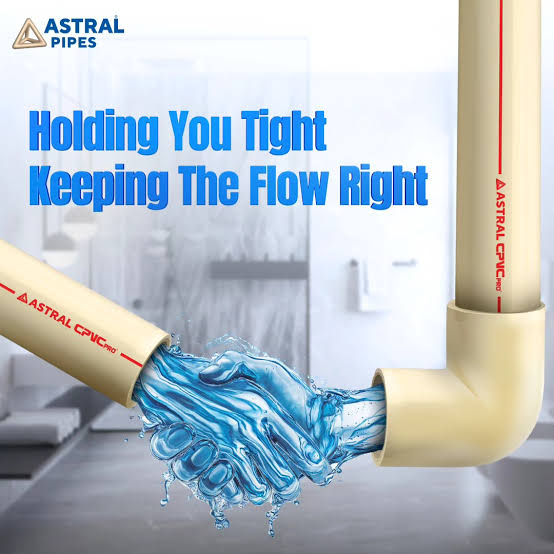
Pipes and fittings must be suitable for the operating pressure, water temperature, and intended application. Products should be selected according to their rated performance and applicable engineering requirements. Astral Pipes offers piping solutions for various applications, so the appropriate product range should be chosen based on the specific plumbing system design.
6. Carry Out Regular Inspection and Testing
Routine inspection of pumps, valves, joints, and pressure gauges helps identify problems before they become serious. Pressure testing and commissioning should be carried out according to the approved design and applicable standards to verify that the system performs as intended.
Effective water pressure management is essential for reliable plumbing in high-rise buildings. Pressure zoning, properly selected pumps, pressure-reducing valves, and suitable pipes and fittings work together to support efficient water distribution.
Gallant Green Technologies, featuring plumbing solutions from Astral Pipes, supports construction and infrastructure requirements with a focus on appropriate product selection and dependable performance. Proper system design and professional installation help ensure a reliable water supply across every floor.