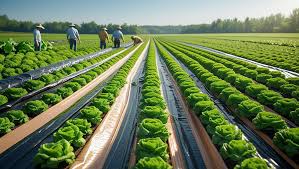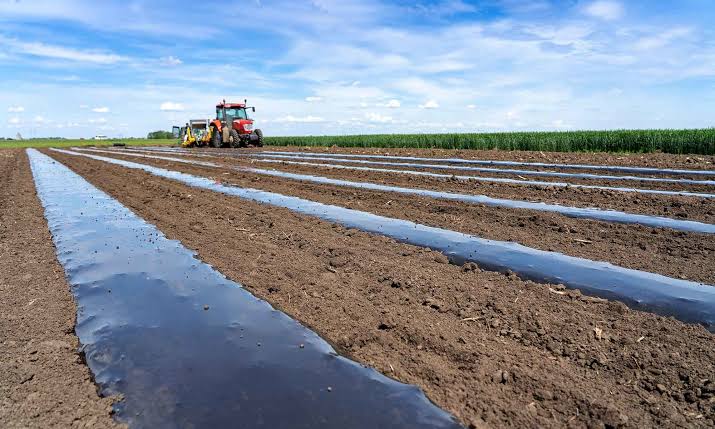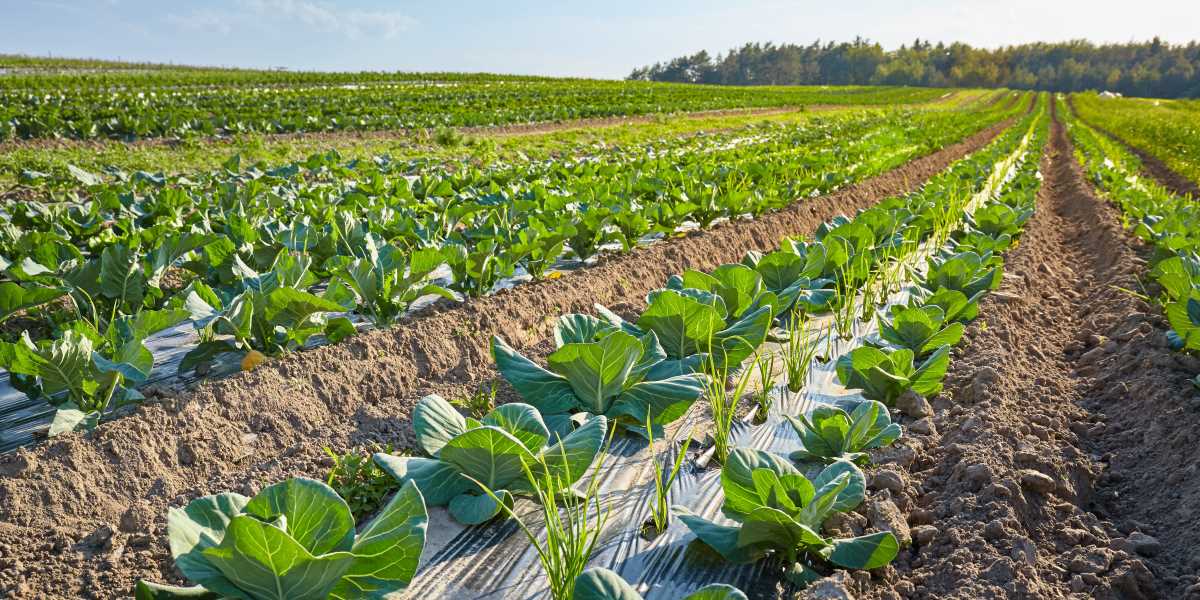

Crop rotation is an important agricultural practice that helps farmers maintain soil fertility, manage pests, and improve crop productivity. It involves growing different types of crops in the same field in a planned sequence across different seasons. By adopting crop rotation, farmers can improve soil health and support sustainable farming practices.
What Is Crop Rotation?
Crop rotation means changing the type of crop grown in a field from one season to another. For example, farmers can alternate cereal crops such as rice or wheat with leguminous crops such as pulses. Different crops have different nutrient requirements and root systems, which helps maintain a better balance of nutrients in the soil.
Improves Soil Fertility and Nutrient Balance
One of the major benefits of crop rotation is improved soil fertility. Leguminous crops, such as chickpeas and lentils, can help increase nitrogen availability in the soil through their association with beneficial bacteria. Rotating crops with different nutrient requirements can also reduce the continuous depletion of specific soil nutrients and support healthier plant growth.
Helps Manage Pests, Diseases, and Weeds
Growing the same crop repeatedly can encourage the buildup of crop-specific pests and diseases. Crop rotation interrupts their life cycles by changing the plants available to them. It can also help manage certain weeds and reduce the dependence on chemical control methods when combined with other good agricultural practices.
Enhances Soil Structure and Crop Productivity
Different crops develop roots at different depths, helping improve soil structure and water infiltration. Rotating crops and including suitable cover crops can reduce soil erosion, increase organic matter, and support better moisture retention. Healthier soil provides a favourable environment for root development and crop growth.
Reduces Farming Costs and Supports Sustainable Agriculture
A well-planned crop rotation system can improve nutrient utilization and help reduce certain pest-management and fertilizer costs. Farmers should select crops according to local climate, soil conditions, market demand, and water availability to achieve better results.
Crop rotation is a practical strategy for improving soil health and supporting long-term agricultural productivity. By selecting suitable crops and planning their sequence carefully, farmers can maintain soil fertility, manage crop-related problems, and promote sustainable farming.
Gallant Green Technologies Pvt. Ltd. supports farmers with agricultural solutions designed to encourage efficient farming practices and improved productivity. Combining appropriate agricultural technologies with effective crop management can help farmers work towards healthier soils and more sustainable agricultural outcomes.