Welcome to
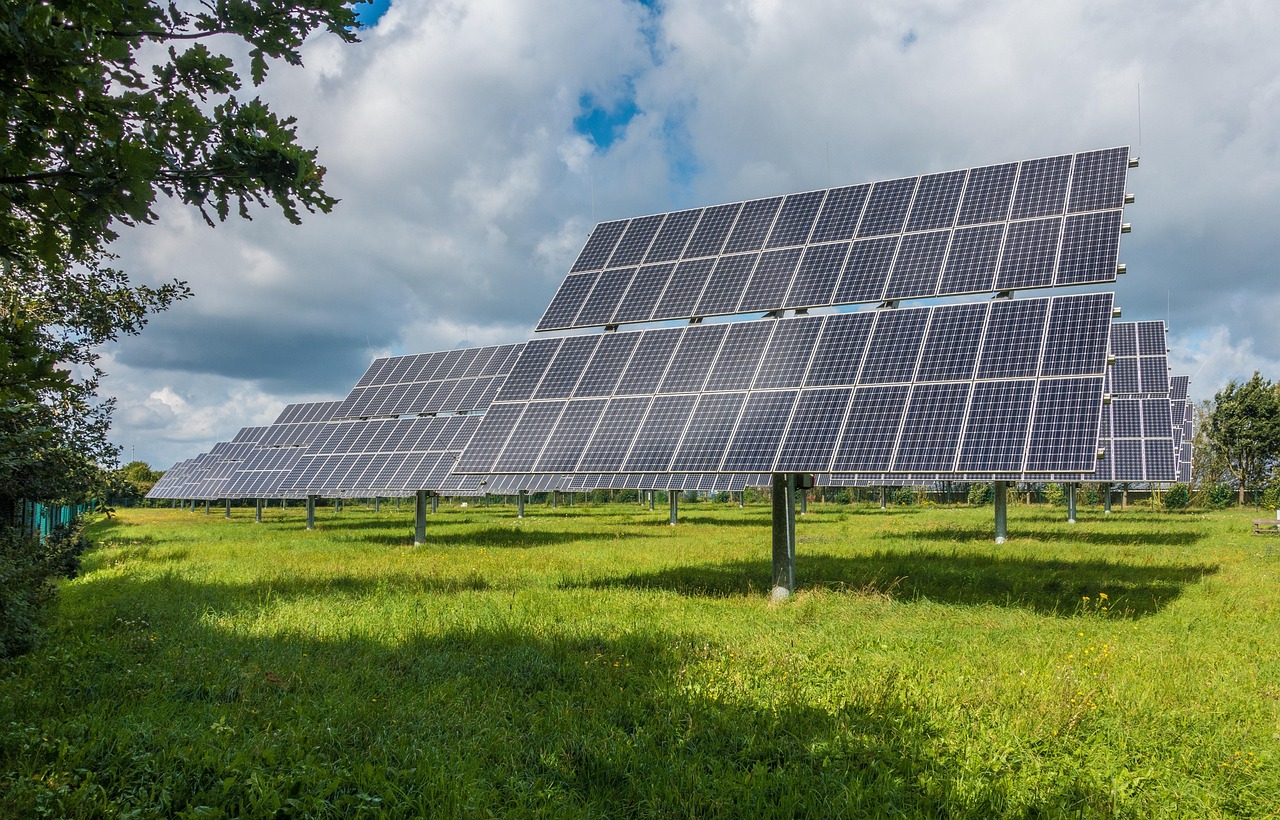
Gallant Green Technologies Pvt.Ltd. your premier service professional for comprehensive solutions across a diverse range of industries. We specialize in all type Solar Projects, Turnkey Pipeline Projects, providing end-to-end services that ensure seamless implementation and optimal performance. Our expertise extends to Micro Irrigation systems, enhancing agricultural productivity with efficient water management solutions.
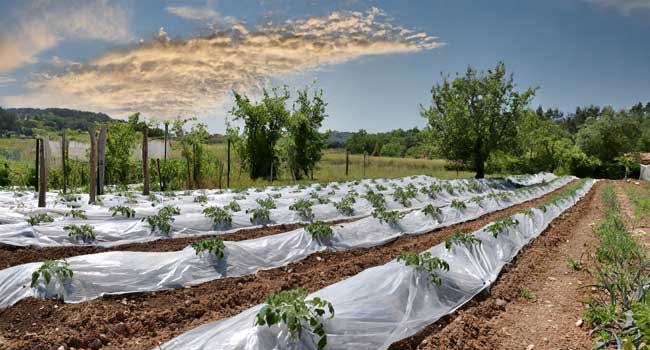
As a trusted trader, we supply high-quality PVC, HDPE, SWR, CPVC, UPVC, and other pipes, ensuring durability and reliability for various water applications. Our offerings also include Agri Mulch Film, essential for modern agricultural practices.
Tell us about your business requirement. We will find the perfect solution.

We appreciate the excellent service received by the Gallant Green Technologies team. The technology offered offers reliable operation as well as minimal maintenance. Overall, excellent technology, excellent price and excellent service.
Our research in the field requires instruments that are accurate, robust, and easy to operate and maintain. Gallant Green Technologies equipment meets our needs.


After installing a solar system, your electricity bill may look different from before. Many customers wonder why they still receive an electricity bill even after installing solar panels. The reason may include grid electricity consumption, net metering adjustments, fixed charges, and other applicable electricity charges. At Gallant Green Technologies Pvt. Ltd., we help customers understand their solar systems and the basics of electricity billing.
1. What Are Import Units?
Import units refer to the electricity you consume from the electricity grid. When your solar panels do not generate enough electricity to meet your requirements, such as at night or during cloudy weather, you draw electricity from the grid. The import reading on your meter records the electricity consumed from the grid.
2. What Are Export Units?
During the day, your solar system may generate more electricity than your home needs. The surplus electricity can be sent to the grid, which is recorded as export units. A net meter records both imported and exported electricity. The adjustment of these units depends on the applicable net metering regulations and your electricity provider's billing policy.
3. How to Calculate Net Units
You can calculate net consumption by subtracting export units from import units.
Example:
Import Units: 200
Export Units: 150
Net Consumption: 50 Units
In this example, the net consumption is 50 units. However, your final bill may also include fixed charges, meter charges, electricity duty, and other applicable fees.
4. Why Do You Still Receive an Electricity Bill After Installing Solar?
Even after installing a solar system, you may receive an electricity bill for several reasons:
Monthly fixed charges and other applicable fees.
Solar generation being lower than your electricity consumption.
Electricity consumption from the grid during nighttime.
Differences in billing cycles and net metering adjustments.
High electricity consumption from appliances such as air conditioners and water heaters.
5. Important Points to Check on Your Electricity Bill
Every month, check your import units, export units, meter readings, billing period, and total payable amount. If you notice unexpected charges or differences in readings, contact your electricity provider for clarification.
Understanding your electricity bill after solar installation helps you monitor energy consumption and make better use of your solar system. Gallant Green Technologies Pvt. Ltd. is committed to supporting customers with solar installation services and guidance to help them understand their solar energy systems.
Gallant Green Technologies Pvt. Ltd.
Your Trusted Partner for Solar Solutions
A reliable plumbing system is essential for residential, commercial, and industrial buildings. Proper pipe jointing plays a crucial role in preventing water leakage, maintaining smooth water flow, and improving the durability of plumbing installations. Choosing quality pipes and fittings, along with following the correct installation procedures, helps ensure dependable plumbing performance.
1. Prevents Water Leakage
Improperly connected pipes can cause leakage, water wastage, and dampness in walls. Using suitable pipes and fittings from Astral Pipes and following the recommended jointing techniques helps create secure connections and reduces the risk of leakage.
2. Improves Plumbing System Durability
Correct pipe jointing helps maintain reliable connections throughout the plumbing system. Using compatible fittings and following the manufacturer's installation guidelines can minimize joint failures and support long-term performance.
3. Maintains Smooth Water Flow
Proper pipe alignment and accurate fitting installation help maintain efficient water flow. Correct jointing also reduces the possibility of obstructions caused by poorly installed connections.
4. Reduces Maintenance Costs
Plumbing leaks can lead to expensive repairs and unnecessary water consumption. Proper jointing during installation helps reduce common plumbing issues and can lower maintenance requirements over time.
5. Follow the Right Installation Practices
Before joining pipes, ensure that their ends are clean and properly prepared. Use the appropriate jointing method for the pipe material and fitting type. Always follow Astral Pipes' applicable installation instructions and allow sufficient setting or curing time wherever required.
Conclusion
Proper pipe jointing is an essential step in building an efficient and leak-resistant plumbing system. Combining suitable pipes and fittings with correct installation practices helps improve reliability and minimize maintenance problems.
Gallant Green Technologies Pvt. Ltd. offers plumbing product solutions featuring Astral Pipes for construction and infrastructure requirements. Choose suitable pipes and fittings and ensure professional installation for dependable plumbing performance.
Crop rotation is an important agricultural practice that helps farmers maintain soil fertility, manage pests, and improve crop productivity. It involves growing different types of crops in the same field in a planned sequence across different seasons. By adopting crop rotation, farmers can improve soil health and support sustainable farming practices.
What Is Crop Rotation?
Crop rotation means changing the type of crop grown in a field from one season to another. For example, farmers can alternate cereal crops such as rice or wheat with leguminous crops such as pulses. Different crops have different nutrient requirements and root systems, which helps maintain a better balance of nutrients in the soil.
Improves Soil Fertility and Nutrient Balance
One of the major benefits of crop rotation is improved soil fertility. Leguminous crops, such as chickpeas and lentils, can help increase nitrogen availability in the soil through their association with beneficial bacteria. Rotating crops with different nutrient requirements can also reduce the continuous depletion of specific soil nutrients and support healthier plant growth.
Helps Manage Pests, Diseases, and Weeds
Growing the same crop repeatedly can encourage the buildup of crop-specific pests and diseases. Crop rotation interrupts their life cycles by changing the plants available to them. It can also help manage certain weeds and reduce the dependence on chemical control methods when combined with other good agricultural practices.
Enhances Soil Structure and Crop Productivity
Different crops develop roots at different depths, helping improve soil structure and water infiltration. Rotating crops and including suitable cover crops can reduce soil erosion, increase organic matter, and support better moisture retention. Healthier soil provides a favourable environment for root development and crop growth.
Reduces Farming Costs and Supports Sustainable Agriculture
A well-planned crop rotation system can improve nutrient utilization and help reduce certain pest-management and fertilizer costs. Farmers should select crops according to local climate, soil conditions, market demand, and water availability to achieve better results.
Crop rotation is a practical strategy for improving soil health and supporting long-term agricultural productivity. By selecting suitable crops and planning their sequence carefully, farmers can maintain soil fertility, manage crop-related problems, and promote sustainable farming.
Gallant Green Technologies Pvt. Ltd. supports farmers with agricultural solutions designed to encourage efficient farming practices and improved productivity. Combining appropriate agricultural technologies with effective crop management can help farmers work towards healthier soils and more sustainable agricultural outcomes.
Gallant Green Technologies Pvt.Ltd. collaborates with a diverse array of clients across multiple sectors. Our clients range from agricultural professionals and large-scale farmers to urban developers and renewable energy companies. They trust us for our expertise in turnkey pipeline projects, micro-irrigation systems, and advanced civil construction. Additionally, we serve clients in the organic farming sector, providing high-quality fertilizers and farm machinery. Our commitment to innovation and sustainability helps our clients achieve their goals while promoting environmental stewardship.